Modern cars are basically internet-connected computers on wheels.
| Listen to this article as a podcast |
Whether you’re using GPS, streaming music, starting your vehicle from your phone, or getting a software update while it sits in your driveway, there’s a dark side to all that convenience. The more connected your car becomes, the more opportunities there are for hackers to mess with it.
Although it may sound like something out of a movie, researchers have shown for years how connected vehicles can be hacked. Criminals have found ways to use technology to steal cars without ever touching the keys. Even scarier, they’ve even been able to mess with the car’s controls while you’re driving—potentially causing an accident. There’s also the hidden danger of the shocking amount of personal data contained in the car’s computer, with information about where you go, how you drive, and what devices are connected to the vehicle.
Your car may be smart, but that could also be what makes it vulnerable to hackers.
As cars become more digital, automotive cybersecurity is no longer just a concern for manufacturers and engineers. It is something every driver needs to be aware of. When software controls more and more of what happens in your vehicle, a cyberattack may not just be annoying, it could be dangerous.
Why Modern Cars Are a Hacker’s Dream
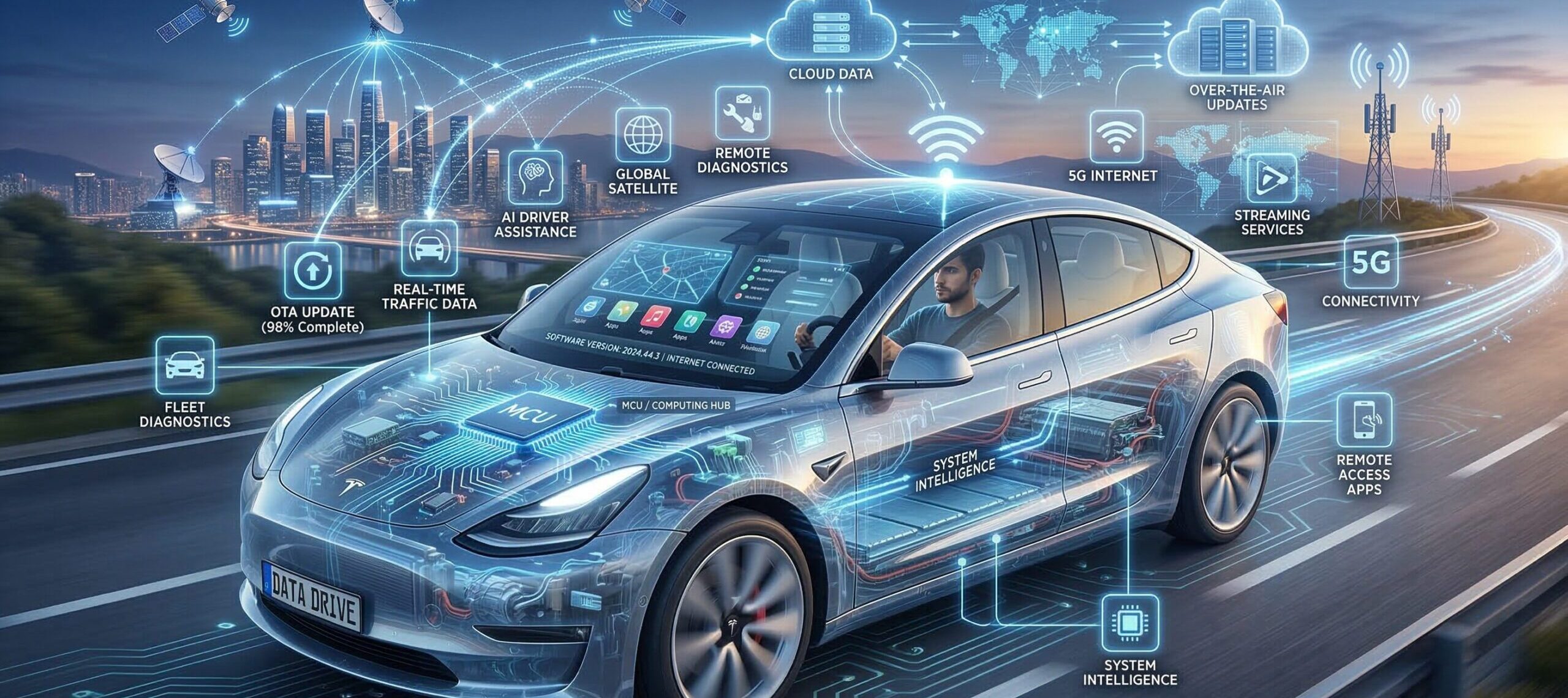
Today’s vehicles are packed with technology. Many contain dozens of small computers that manage everything from braking and steering to engine timing, door locks, backup cameras, and dashboard displays. These systems constantly communicate with each other, which is how your car is able to monitor and do so many different things at once. Unfortunately, it’s also why a weakness in one connected system can create problems elsewhere.
What made cars even more vulnerable is when manufacturers started connecting cars to the internet and other devices. Wifi. Bluetooth. Cellular connections. Mobile apps. Remote start. Keyless entry. Telematics. Voice assistants. Navigation systems. Connected charging platforms for electric vehicles. These are the things that make cars more fun, modern, and convenient, but they also create many more potential entry points for attackers. In cybersecurity, it’s called the “attack surface,” and in modern vehicles, that attack surface keeps growing.
The Wake-Up Call: When Hackers Took Over a Jeep
One of the biggest wake-up calls for the auto industry came about a decade ago, when security researchers demonstrated that they could remotely hack a Jeep Cherokee through its connected infotainment system.
That public demonstration was a gut punch. The researchers showed that they could tamper with vehicle functions while the car was being driven. Suddenly, automotive cybersecurity was no longer an abstract concern buried in technical papers. It was a public safety issue that people could see and understand. That incident helped force the auto industry to take the problem more seriously. That was a decade ago, and over the last several years, vehicles have only become more complicated, and more connected.
How Vehicles Are Hacked and Attacked
When most people hear the phrase “car hacking,” they picture some criminal, usually in a hoodie in a dark room, taking over a vehicle from miles away. That can happen in some cases, but most real-world attacks are much simpler.
Keyless entry attacks
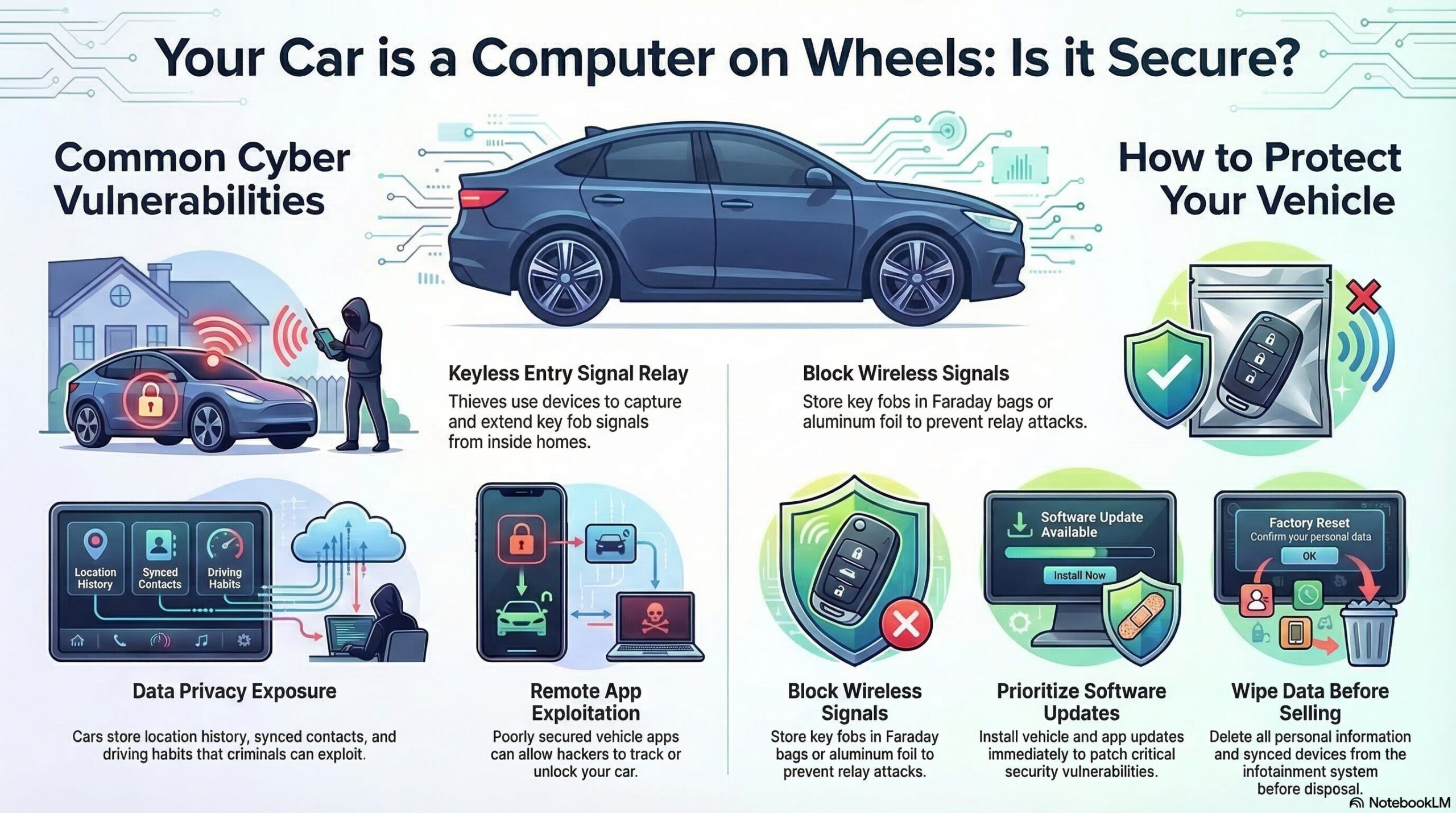
This is one of the biggest real-world threats facing drivers today. With keyless entry systems, your car unlocks when it detects the signal from your key fob nearby. Criminals can use relay devices to capture and extend that signal, tricking the car into thinking the key is present even when it is sitting inside your house.
That means a thief may be able to unlock and steal a vehicle while your keys are still hanging near the front door. No broken glass. No dramatic hotwiring. Just quiet theft with the help of technology.
Remote attacks through connected systems
Many vehicles now come with apps that let owners unlock doors, start the engine, flash the lights, locate the vehicle, or check status updates from anywhere. That convenience can become a problem if the app, the web portal, or the supporting cloud systems are poorly secured. If attackers gain access, they may be able to unlock vehicles, track them, or abuse account features in ways that put drivers at risk.
Infotainment system vulnerabilities
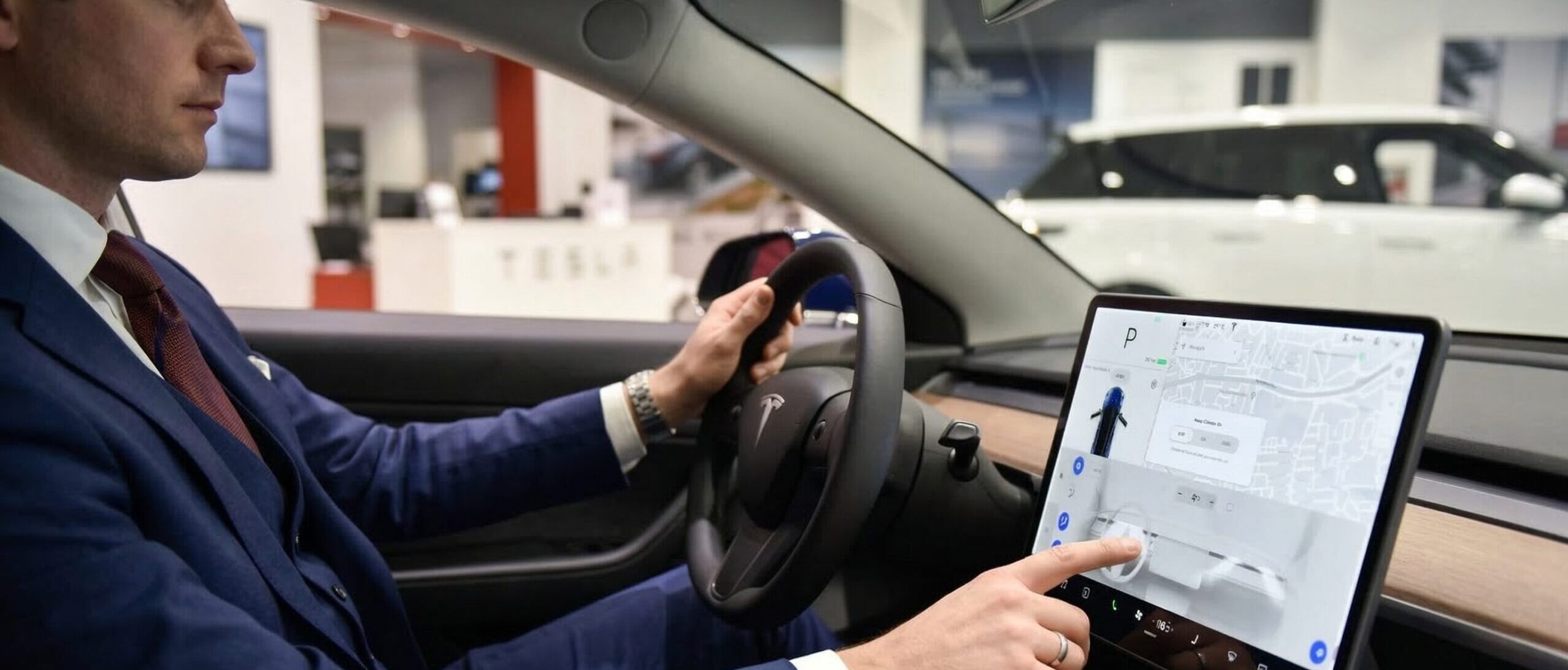
The big touchscreen in your dashboard is doing far more than changing the radio station. It is probably tied to navigation systems, Bluetooth, text messages, calls, streaming, cloud services, and software updates. The more complex the software, the more chances there are for bugs and vulnerabilities. If attackers find a weakness in those systems, they may be able to steal data or use the system as a stepping stone into other parts of the vehicle.
Diagnostic port abuse
Most vehicles have an OBD-II port, usually under the dashboard, that mechanics use to diagnose problems. It is useful, but it is also a direct access point. Someone with physical access to that port may be able to interact with the car’s internal systems. It’s not hard for a criminal to break the window and use the same devices mechanics and locksmiths use to start your car and drive away.
Electric vehicle and charging risks
Electric vehicles add new layers of connectivity. Charging stations, payment systems, mobile apps, and cloud-based services all create new opportunities for abuse if security is weak. That does not mean EVs are inherently unsafe. It means the ecosystem around them needs to be secured just as carefully as the vehicle itself.
It’s Not Just About the Car. It’s Also About Your Privacy.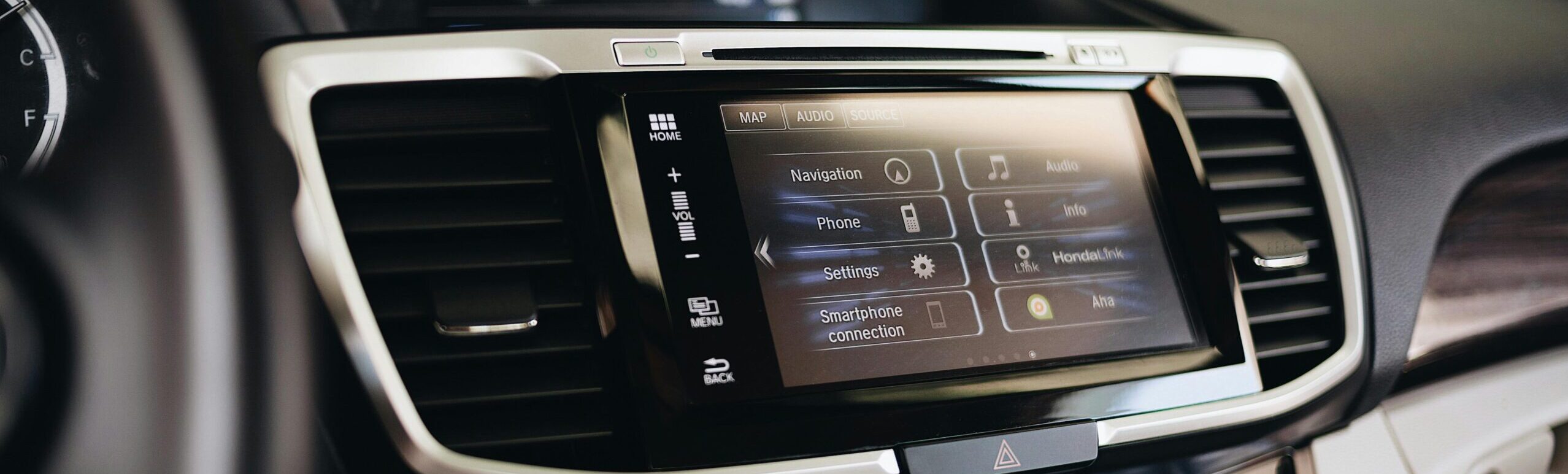
When people think about automotive cybersecurity, they usually focus on whether someone can unlock and start a vehicle, disable it, or interfere with how it operates. But privacy is a huge part of this story too.
Modern vehicles collect and store your location history, saved destinations, paired phone data, contact lists, messages, driving habits, app activity, and account information. If you have ever synced your phone, saved your home address, or used a connected vehicle app, your car—and any cloud systems it connects to—know a lot about you.
That information can be valuable to criminals since it can easily reveal where you live and work, what routes you drive, when you are away from home, and what devices belong to you. In the wrong hands, that’s not just a privacy problem but a personal security problem. So when we talk about automotive cybersecurity, we aren’t just talking about protecting a vehicle. We’re talking about protecting the person behind the wheel.
Why Automotive Cybersecurity Matters More Than Ever
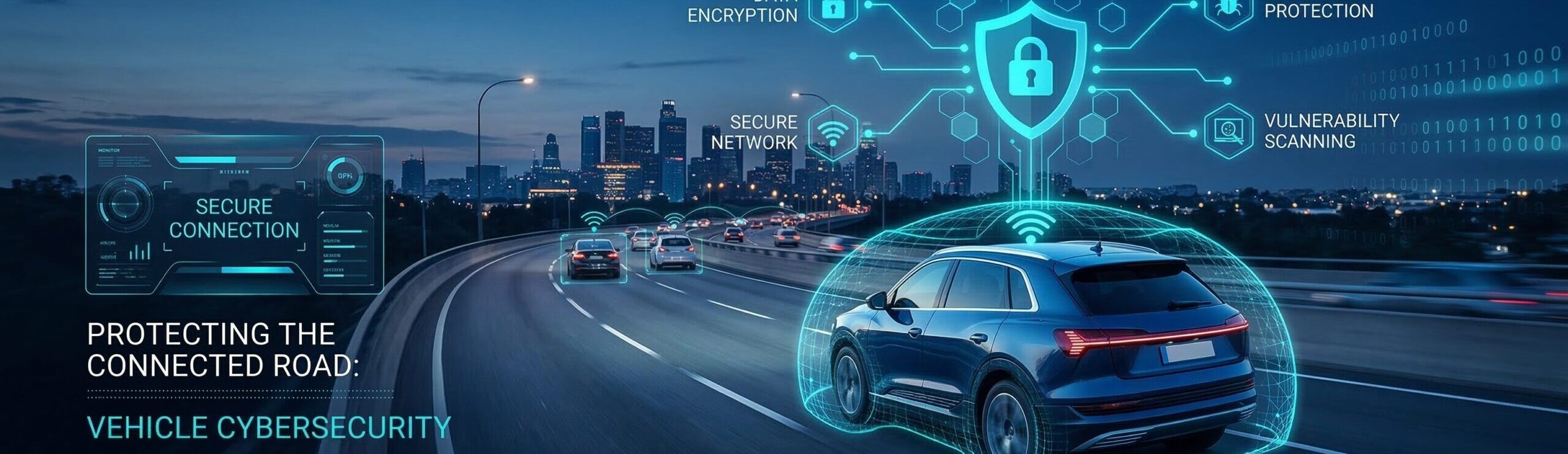
Cars are becoming more software-oriented every year. Features that used to be mechanical are now controlled by code. Updates that once required an appointment at the dealership can now happen over the air. Safety systems, entertainment systems, mobile apps, and cloud services are increasingly tied together. That means cybersecurity is no longer some optional extra. It is part of vehicle safety.
If automakers don’t secure connected systems, the consequences can be serious. A vulnerability might make theft easier, but in a worst-case scenario, it could impact safety-related functions. It could also unknowingly expose personal information. That is why automotive cybersecurity solutions matter. Just like physical security measures like door locks and seat belts, manufacturers need to build cybersecurity into vehicles from the start, not slap it on later like a cheap spoiler from the auto parts aisle. This includes secure software development, stronger authentication, monitoring for suspicious activity, better protections for over-the-air updates, and fast responses when vulnerabilities are discovered.
What You Can Do to Protect Yourself (and Your Vehicle)
Car owners and drivers aren’t powerless. Here are a few things you can do to help lower your risk:
- Install software updates when your vehicle or its app tells you to. Those updates aren’t just about adding new features. They usually contain security fixes that patch vulnerabilities.
- Use a strong, unique password for your vehicle’s mobile app. If multi-factor authentication is available, turn it on.
- Store key fobs securely away from doors and windows, and consider using a Faraday bag to block wireless signals. Even simply wrapping it in a piece of foil is a simple way to make relay attacks harder.
- Be careful what you connect to your car. Consider the apps, devices, or accessories you link up to your vehicle. Not every gadget deserves access to your automobile or your personal data.
- If you sell, trade in, or return a leased vehicle, wipe your personal data from the infotainment system, and remove links to any of your personal devices. Otherwise, you may leave behind your contacts, locations, and other private information for the next owner.
Cars and Cybersecurity
The good news is that the car in your driveway is smarter than ever, but the bad news is that smart things get hacked. As vehicles get more connected, they are also more exposed. The same things that make driving easier and more enjoyable can also open the door to theft, surveillance, privacy invasion, and potentially serious safety issues. That doesn’t mean you should panic, but it does mean drivers need to wake up to the realities of automotive cybersecurity, which is only going to become a bigger issue in the years ahead.
In the modern era, one of the most important safety features in your vehicle may not be the airbags, but it may be the security of the software running everything.
| Listen to this article as a podcast |