

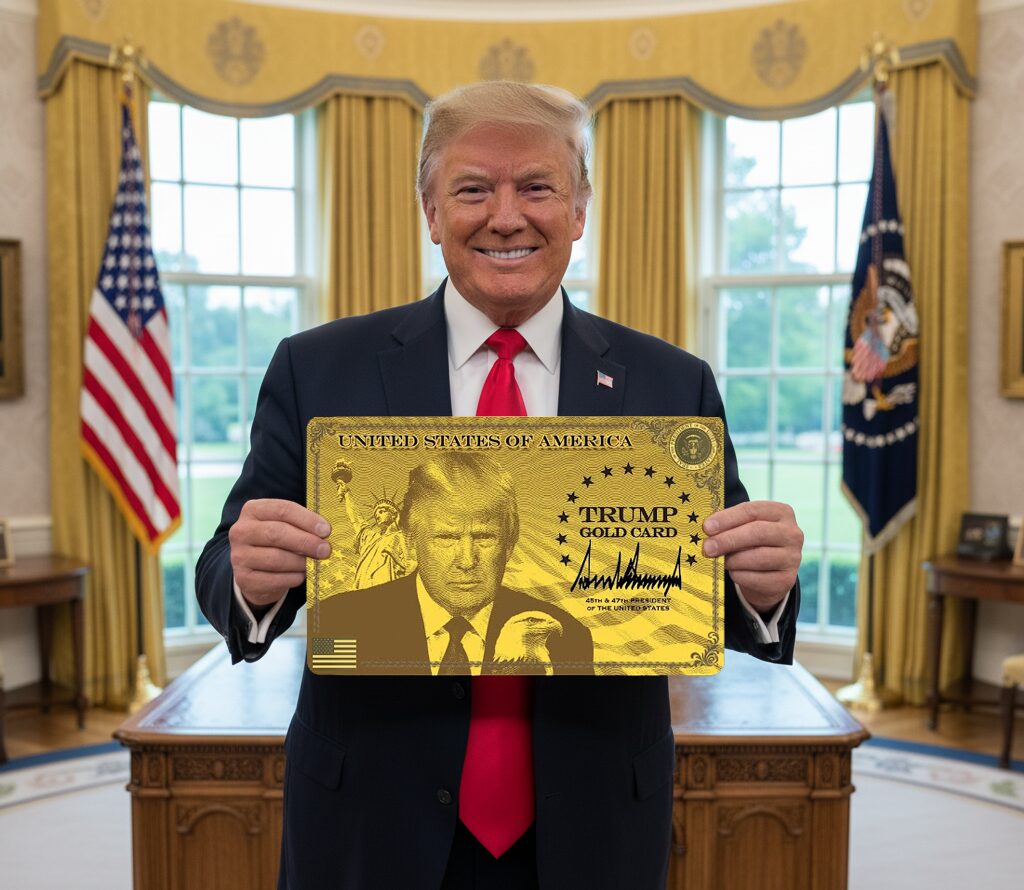
You may have heard the news that President Donald Trump is promising Americans a “tariff dividend” of billions of dollars, amounting to $2,000 per person, or more. That sounds great, right? But here’s the deal: there’s no guarantee and the details are quite murky, but scammers aren’t waiting around. Just like when the tariffs went into place, when something newsworthy happens, scammers are ready to take advantage of it. If you get unsolicited offers, texts, emails claiming you’re “eligible for the tariff check,” you need to be alert.
What’s this “tariff dividend” about?

Here’s what we know:
President Trump announced that revenue from tariffs, which are import duties imposed under his policy, would be used to pay a “dividend” of at least $2,000 per person (excluding high-income earners) to Americans. But it’s very unclear how, when, or to whom this dividend will actually pay out. Budget analysts say the math doesn’t add up and the tariffs bring in far less revenue than would be required to pay $2,000 to most Americans annually. Furthermore, some of the key tariffs are under litigation, and if they’re invalidated, revenue could drop dramatically. Government agencies and fact-checkers caution that no formal program has been established yet and it would likely require the approval of Congress. The bottom line is that it’s a promise, not a program at this stage.
Why scammers love it

When there’s a vague “we’re going to give you money” message, especially tied to current events, scammers smell opportunity. Here’s what they do:
-
They send unsolicited texts or emails claiming “You qualify for the tariff dividend! Click here to claim.”
-
They might ask you to pay a “processing fee”, “verification fee”, or give your bank/routing number so they can deposit your check. (Spoiler: no legitimate government program asks for that in advance.)
-
They’ll use fake branding (pretend government websites, mimic IRS/treasury logos) to make it look real.
-
They push urgency: “Act now or you lose eligibility.” Fear + reward = strong motivator.
-
They may harvest your personal data (SSN, date of birth, bank account) for identity theft.
The Internal Revenue Service reminds people that claims of “new stimulus checks” often turn out to be scams and that you shouldn’t trust a message saying you must share sensitive data to receive such payments. In short, when something sounds “too good to be true” and the details are fuzzy, the scammers are already in motion.
What to watch out for: Red flags

Here’s your checklist. When you see these, step on the brakes and verify.
-
You receive a text, email or social-media DM saying you must click a link or call a number to claim your “tariff payment.”
-
You’re asked to pay money up front to “unlock” the dividend.
-
You’re being asked for full SSN, bank account routing number, or passwords to “verify eligibility.”
-
The message claims to be from a “government agency” but the email address or URL is non-standard (e.g., something like “tariffchecks-gov.com” instead of a .gov domain).
-
There’s urgency or threat (“Respond within 24 hrs or you lose it!”) plus maybe poor grammar/spelling.
-
No official announcement or program documentation from credible government sources yet, but the message implies the payment is already active.
What you should do

Here are some forward-thinking, practical, and protective steps you can take:
-
Do not click links or call numbers in unsolicited messages claiming you’re eligible for the tariff dividend.
-
Don’t provide sensitive personal information (SSN, bank account, passwords) in response to such messages.
-
Verify with official sources: Check the IRS, the Department of the Treasury, or your government official communication channels. Until there’s a formal legislative program announced, treat offers as not legitimate.
-
Keep your security practices tight:
-
Use strong, unique passwords and multifactor authentication for financial and email accounts.
-
Monitor your bank/investment accounts for unusual activity.
-
If you receive one of these messages, report them to the FTC.
-
-
Educate your network: Share this info with family, friends, older relatives, as they’re often targets of scams because they may be excited about “free money” offers.
-
Wait for official rollout: Should a genuine program be enacted, it’ll come with direct announcements via government websites, mailings, or tax-filing instructions, not a random text.
Why this matters

Large-scale promises like this spark emotional reactions such as hope, excitement, and urgency, which scammers exploit. Whether it’s a stimulus check, tariff dividend or relief program, verify before you act. No legitimate government program will ask you to pay up front or share your password. This isn’t just a “financial scam,” it’s identity theft waiting to happen. The idea of a $2,000 tariff dividend is out there, but until legislation is passed, the program is vague, and scammers are circling. Stay sharp, validate before you act, and help others avoid the trap.
| Listen to this as a Podcast |

